
pavasat
ผู้เยี่ยมชม
pavasat@outlook.com
Pava hats (13 อ่าน)
28 ต.ค. 2569 09:04
Pava hats: History, Styles, and How to Wear This Timeless Accessory
The pava hat is more than just a practical sunshade—it’s a powerful cultural symbol, a stylish fashion accessory, and a handcrafted work of art. Whether you’ve seen it at Caribbean festivals, cultural parades, or in travel photos, this traditional straw hat has a fascinating story and enduring appeal.
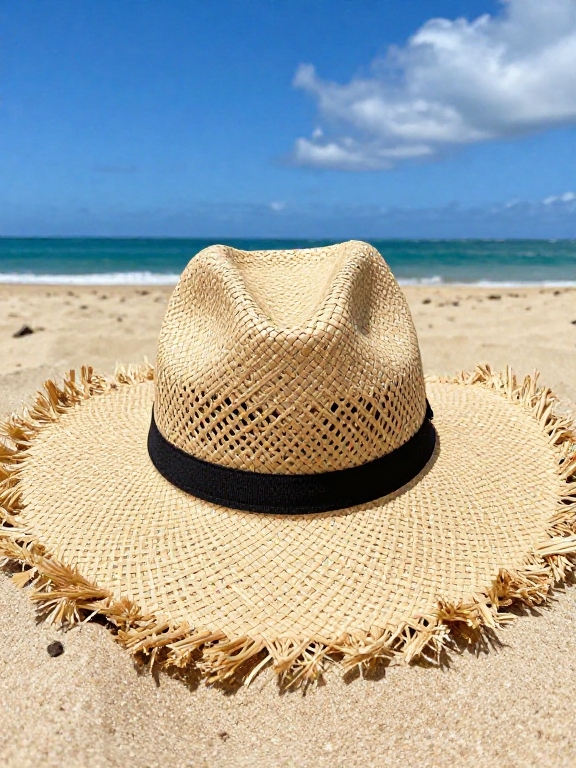
In this guide, you’ll learn what a pava hat is, where it comes from, how it’s made, and how to style and care for it.
---
## What Is a Pava Hat?
A pava hat is a wide-brimmed straw hat traditionally associated with Puerto Rico and rural life in the Caribbean. It’s usually made by hand from natural plant fibers and is designed to provide strong protection from the sun while staying lightweight and breathable.
Key features of a classic pava hat include:
- Wide brim for shade
- Woven straw or similar natural fiber
- Light color, often beige or off‑white
- Simple, rustic design that pairs well with casual or festive outfits
Today, the pava hat is used both as a practical hat and as an icon of cultural heritage, especially in Puerto Rican folk traditions and festivals.
---
## Origin and Cultural Significance
The pava hat has deep roots in the agricultural and rural traditions of Puerto Rico. Historically, it was worn by jíbaros (rural farmers) who labored in the fields under strong tropical sun. Over time, this simple field hat became a powerful emblem of:
- **Hard work and resilience** – symbolizing the effort of farmers and rural communities
- **Cultural identity** – often worn in folkloric dances, parades, and cultural events
- **National pride** – appearing in celebrations like festivals, patriotic events, and performances that celebrate Puerto Rican heritage
Many people now wear the pava hat during holidays, cultural festivals, and traditional music performances as a way to honor their roots and keep folklore alive.
---
## How Pava Hats Are Made
Traditional pava hats are handmade using time‑honored weaving techniques. Though materials can vary, the process usually follows similar steps:
1. **Selecting the fiber**
- Common materials: palm leaves, straw, or other dried plant fibers.
- The fibers are chosen for flexibility and strength.
2. **Preparing the material**
- Leaves are cut, soaked, dried, and sometimes split into thinner strips.
- This preparation makes the material easier to weave and more durable.
3. **Weaving the crown**
- The crown (the part that covers the head) is usually woven first.
- Artisans shape it carefully to fit comfortably while maintaining structure.
4. **Creating the brim**
- The brim is then woven outward from the crown.
- Its width can vary, but it’s usually large enough to offer strong sun protection.
5. **Finishing touches**
- Edges may be reinforced to prevent fraying.
- Some hats include simple bands or decorative elements while preserving a rustic look.
Handcrafted pava hats can vary slightly in shape and color, which adds to their charm and uniqueness.
Why choose a pava hat?<br style="font-family: 'Microsoft YaHei'; font-size: medium;" />Buy Pava Hat<br style="font-family: 'Microsoft YaHei'; font-size: medium;" />Style of a Pava Hat
## Different Styles of Pava Hats
While the classic pava hat has a recognizable shape, there are several style variations:
- **Traditional wide‑brim pava**
The most iconic form, with a broad brim and simple, natural straw appearance.
- **Decorative or festival pava**
Similar shape but often adorned with:
- Ribbons
- Colorful bands
- Pins, flags, or small ornaments for celebrations and parades
- **Modern fashion pava**
Updated designs inspired by the traditional hat, sometimes featuring:
- Darker dyes or colored straw
- Refined brims
- Mixed materials, like straw plus fabric bands
Regardless of the version, the core identity remains: a straw hat linked closely to Caribbean and Puerto Rican culture.
---
## How to Wear a Pava Hat
The pava hat is surprisingly versatile. You can wear it for both cultural occasions and casual outings.
### For Cultural or Festive Events
- Pair with traditional attire, folk costumes, or linen clothing.
- Wear slightly tilted back to show your face while keeping the sun off.
- Coordinate with colors of flags or festival themes if the hat has decorative bands.
### For Everyday or Vacation Wear
- Combine with light, breathable fabrics like cotton or linen.
- Ideal for:
- Beach days
- Outdoor markets
- Summer walks and picnics
- Works well with simple outfits: shorts, sundresses, or relaxed shirts.
### Fit and Comfort Tips
- Choose a size that sits snugly but not tight on your head.
- For windy days, consider:
- An inner sweatband for grip
- A thin chin strap or hat cord if you’ll be very active
---
## Why Pava Hats Are Still Popular
The ongoing popularity of the pava hat comes from a combination of practicality, symbolism, and style:
- **Sun protection** – The wide brim helps shade the face, neck, and shoulders.
- **Breathability** – Natural fibers make the hat cool and comfortable in hot climates.
- **Eco‑friendly materials** – Plant‑based fibers are biodegradable and renewable.
- **Cultural expression** – Wearing a pava hat can be a meaningful way to celebrate heritage.
- **Timeless look** – Its simple, rustic design never really goes out of style.
---
## How to Care for a Pava Hat
Proper care will extend the life of your pava hat and maintain its shape.
### Cleaning
- **Dust and dirt**
- Use a soft brush or dry cloth to remove surface dust.
- For slightly stubborn spots, use a lightly damp cloth and gently dab.
- **Avoid harsh chemicals**
- Do not use strong detergents or soak the hat completely in water, as this can weaken the straw and deform the shape.
### Storage
- Keep the hat in a cool, dry place away from direct sunlight to prevent fading and brittleness.
- Store it on a hat stand, upside‑down on its crown, or in a hat box to maintain the brim’s shape.
- Avoid stacking heavy items on top, which can flatten or warp the hat.
### Protection
- If the hat gets wet, let it air dry naturally away from direct heat sources.
- For travel, use a padded hat box or fill the crown with soft clothing inside your luggage to help preserve its form.
---
## Where to Buy a Pava Hat
You can find pava hats in several places, both in person and online:
- **Local markets and artisan fairs** in Puerto Rico and other Caribbean regions
- **Cultural shops or folk-art stores** specializing in traditional crafts
- **Online marketplaces** and specialty hat retailers that carry:
- Handmade pava hats
- Festival‑style pava hats
- Modern interpretations inspired by the original
When possible, purchasing directly from artisans supports traditional craftsmanship and local communities.
---
## Final Thoughts
The pava hat is a unique blend of function, fashion, and cultural history. Originally worn by rural workers under the intense Caribbean sun, it has grown into a cherished symbol of heritage and pride, especially in Puerto Rico.
https://hedgedoc.envs.net/s/5MIyKOFEC
Whether you’re drawn to it for its sun protection, its rustic style, or its cultural meaning, the pava hat remains a timeless accessory that connects everyday life with tradition.
61.221.116.28
pavasat
ผู้เยี่ยมชม
pavasat@outlook.com